
The Impact of Sentiment on Price Movements
Chapter One - Part 2
TRADING PSYCHOLOGY
Author: Rich Porlé
9/8/20256 min read


The Impact of Sentiment on Price Movements
When I think back to my earliest memories of the financial markets, I realize I was exposed to the concept of sentiment long before I even knew what the word meant. During the Asian Financial Crisis of 1997 and 1998, I was just a child. I had no understanding of currencies, bonds, or stock markets. What I did notice was the sudden shift in the atmosphere around me. Conversations grew quieter, the adults worried more about expenses, the value of the Philippine peso kept slipping, and the price of rice in my parents’ business seemed to go up week after week.
At the time, I could not put into words what was happening. I only knew that life felt more uncertain. It was only years later, after studying trading and markets, that I understood what I had witnessed. The fear I had sensed was not only a reaction to falling exchange rates; it was also a powerful force that was pushing those rates even lower. Confidence had evaporated, and when confidence disappears, markets move in ways that numbers alone cannot fully explain. That was my first, indirect lesson in the impact of sentiment on price movements.
The Asian Financial Crisis of 1998: Fear Takes Control
To appreciate the scale of what happened in 1998, imagine living in a country where your money loses value almost overnight. That was the reality across Asia. The Philippine peso, the Thai baht, and the Indonesian rupiah all collapsed within months. Businesses that had borrowed in US dollars suddenly faced debts they could not repay, while the prices of imported goods shot upward. Governments scrambled to intervene, but their efforts often felt like trying to stop a storm with bare hands. Yet beyond the charts and technical terms such as debt exposure, interest rates, and speculative attacks, there was a more powerful, invisible driver at play: Market Psychology. Once fear spread that economies could not sustain their debts, investors rushed to sell. Their collective panic did not just reflect the crisis; it deepened it. Market Psychology transformed anxiety into action, and that action magnified the collapse.
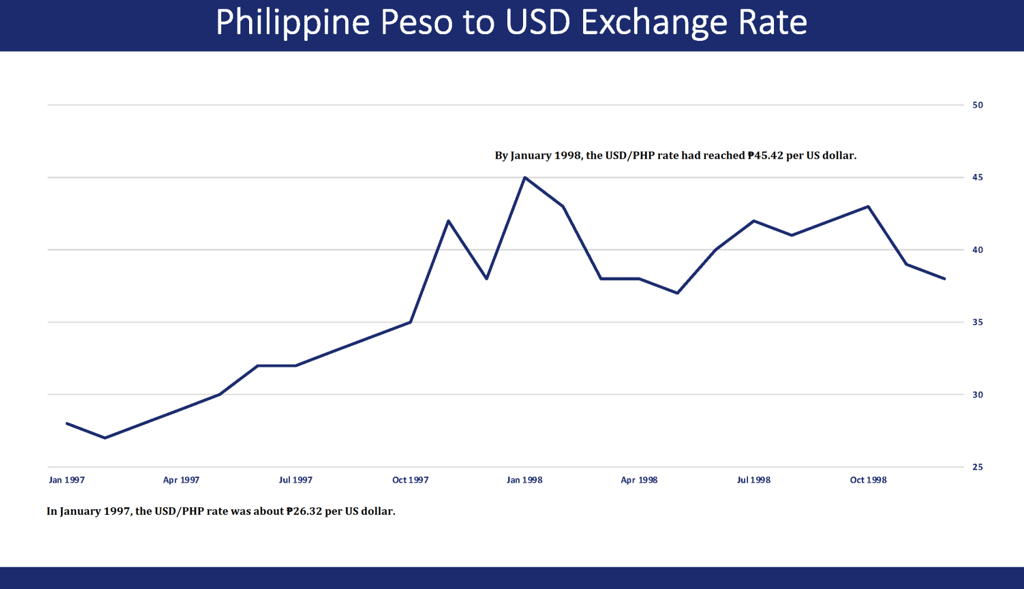
As a child, I was not tracking exchange rates or analyzing capital flows. What I witnessed was Market Psychology in its purest form. Families cut expenses. I saw it most clearly in my parents’ rice business. Each week, the price of rice crept higher, and customers complained that their money didn’t stretch as far as it used to. Other shops raised prices, not always because of costs, but because everyone believed the peso would keep falling. That was my earliest lesson that markets are moved not only by fundamentals but by the emotions and expectations of the crowd.
The Great Financial Crisis of 2008: Greed Turns to Panic
By the time the Great Financial Crisis of 2008 hit, I was no longer a child. I could follow the markets more closely and see how they moved. This time, I witnessed how sentiment could swing from one extreme to another, first driven by greed and then consumed by fear. In the years leading up to 2008, optimism filled the air. Real estate prices kept climbing, banks were handing out loans with ease, and stock markets looked unstoppable. People believed the good times would never end. That belief alone fueled even more buying, inflating bubbles in housing and financial assets. Sentiment was overwhelmingly positive, and very few dared to question it.
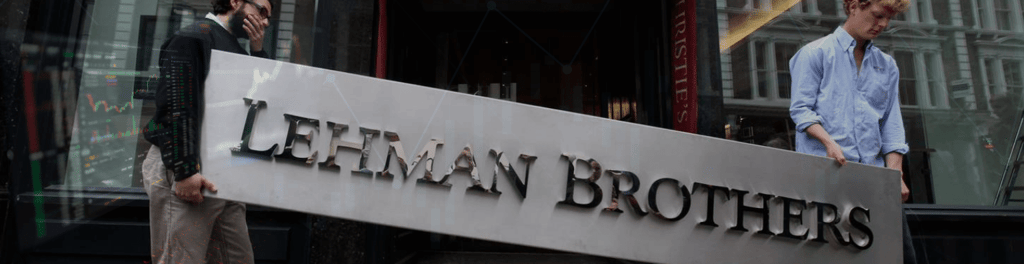
Then everything turned. When Lehman Brothers collapsed and the news was filled with stories of failing banks, sentiment flipped almost overnight. The same investors who had been so confident began selling in panic. Stock prices crashed, currencies swung wildly, and entire economies slid into recession. What struck me most was how quickly it all changed. Fundamentals did not vanish in a single day. Houses still stood, and companies still produced goods and services. Yet markets collapsed at record speed because confidence crumbled. Fear spread faster than any economic report could explain.
For me, 2008 was the moment I truly grasped that markets mirror human psychology. The data may show one reality, but emotions, especially fear and greed, write the headlines that drive prices.

The Covid-19 Shock of 2020: The Global Shutdown
Then came 2020. The Covid-19 pandemic brought a kind of uncertainty I had never experienced before. At that time, I was a professional futures trader trading with Henyep Capital Markets, a broker based in Hong Kong and the United Kingdom. I managed funds for several of my clients. Lockdowns were enforced, borders were closed, and economies came to a standstill.
Panic swept through the financial markets as stocks plunged at record speed, and crude oil futures even turned negative because demand collapsed while supply had nowhere to go.
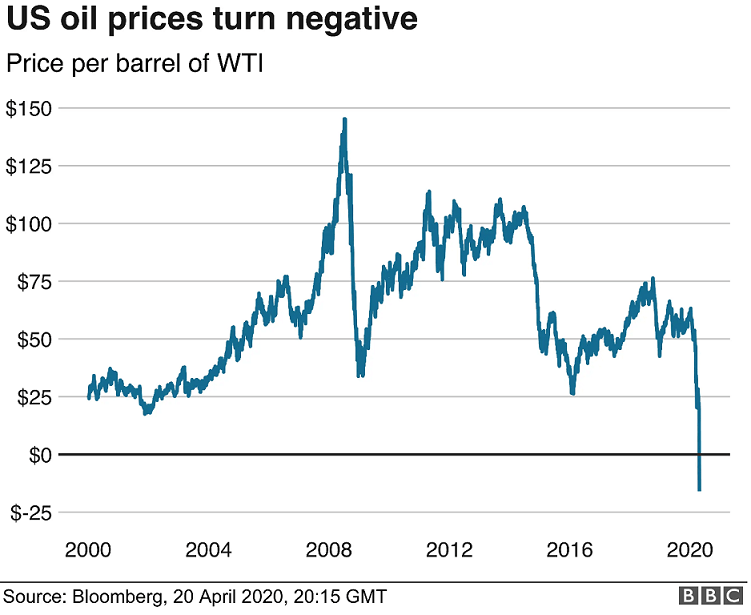
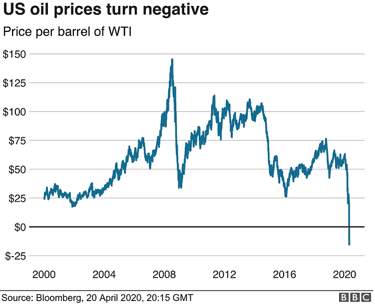
That period was not just a headline for me, it was a wound I carried deeply. I lost a large amount of money, and even worse, most of my clients did as well. Oil was still being produced, planes and cars still existed, yet sentiment collapsed so completely that traders were willing to pay just to escape oil contracts. Fear overtook reason, and the market spun out of control. The price of crude oil turned negative for the first time in history. I closed all my oil futures trades while already facing losses. My trading account, along with those of my clients, eventually lost more than 70 percent of their capital.
Lessons Learned: Sentiment as a Market Driver
Looking back at the crises of 1998, 2008, and 2020, the lesson is clear: sentiment is one of the most powerful forces driving the markets. It can take a simple piece of economic data and magnify its impact far beyond what the fundamentals alone would justify. A disappointing report may spark panic selling, while a positive headline can fuel a buying frenzy. Crowds often act emotionally rather than rationally, with fear of missing out pushing bubbles higher and fear of losing everything triggering sharp sell offs. Confidence in the market is fragile, and once it breaks, recovery often requires strong intervention, as seen with international assistance in 1998 and massive government and central bank support in 2008 and 2020. Ultimately, markets act as a mirror of human psychology. Every rise and fall, every candlestick on a chart, reflects the collective emotions of buyers and sellers. Learning to recognize and interpret these emotions is just as important as studying technical indicators or fundamental reports.
The Takeaway: Mastering Sentiment
For traders and investors, the challenge is not to eliminate sentiment but to understand and manage it. While no one can control how the crowd feels, it is possible to recognize patterns and prepare accordingly. When optimism runs high, it is wise to ask whether prices are being pushed up by emotion rather than value, and when fear dominates, it is worth considering if assets are being sold too cheaply because of panic. The market’s greatest swings are often nothing more than reflections of human psychology, and learning to see this truth can make all the difference.
In my own journey, I have learned that my biggest opponent is not the market itself but my own emotions when I allow myself to follow the crowd blindly. By practicing discipline and studying behavioral finance, I have gained tools to keep sentiment in perspective. Markets are not cold, mechanical systems driven only by numbers. They are human systems, painted with fear, greed, hope, and doubt. To navigate them successfully, one must go beyond analysis of data and learn to see the psychology behind price movements. In the end, trading is not just about predicting numbers. It is about understanding people. And it is in mastering sentiment, both the crowd’s and my own, that I continue to find the real key to long term success in the markets.
Address
27th Floor, The Podium, Lower Ortigas Center, Mandaluyong City, 1605 Metro Manila, Philippines
Contacts
Whatsapp: +639916728173
Email: join@richlifeacademia.com


RichLife Academia operates as the digital learning of the Philippine Learning Edge Services Inc.
© 2026 RichLife Academia. All rights reserved.